

The project From “Victim” to “Victor”: Support for refugees, victims of gender-based violence aims to provide quality support to women, girls and LGBTIQ+ refugees who are victims of gender-based violence. It aims to increase the capacity of the staff working with refugees through training in gender-sensitive approaches, creating a model for individualised support, and promoting newly adopted legislative measures in this field. The activities within the project include: development of a methodology for assessing the needs of victims of violence, training of frontline staff, identification and individualised support for victims, digital empowerment through mapping of services to help vulnerable groups and developing specific content on the topic for the Refugeelight.bg platform, and employment mediation for social and economic inclusion. The project aims to improve the protection and integration of refugees in Bulgaria by applying gender-sensitive approaches in their support.
Methodological materials developed by The Foundation for Access to Rights - FAR for the project From “Victim” to “Victor”:
1. Identification of a person who has experienced violence
2. Individual case management plan
3. Risk and Needs Assessment Form
4. Sample Form for Service Feedback

On September 17 in Sofia, we held a training seminar on “Methodology for Identifying and Protecting Refugees, Survivors of Gender-Based Violence.”
The participants included representatives of the Ministry of Interior – Border Police, Migration Directorate, Sofia Directorate of Interior, regional police directorates, the State Agency for Refugees, the Ombudsman’s institution, lawyers, as well as NGO experts.
Find out more by following the link here.
On February 27, 2026, the Foundation for Access to Rights conducted a specialized training seminar on the topic "Gender-sensitive approaches in the reception of refugees and the procedure for international protection."

Highlights from the training: The leading lecturers of the seminar, Atty. Valeria Ilareva and Atty. Yanka Kosarova, presented key topics related to the improvement of protection and procedures for persons seeking protection:
- Refugee law with a human face: We examined in detail protection, reception, and procedures through the lens of gender sensitivity.
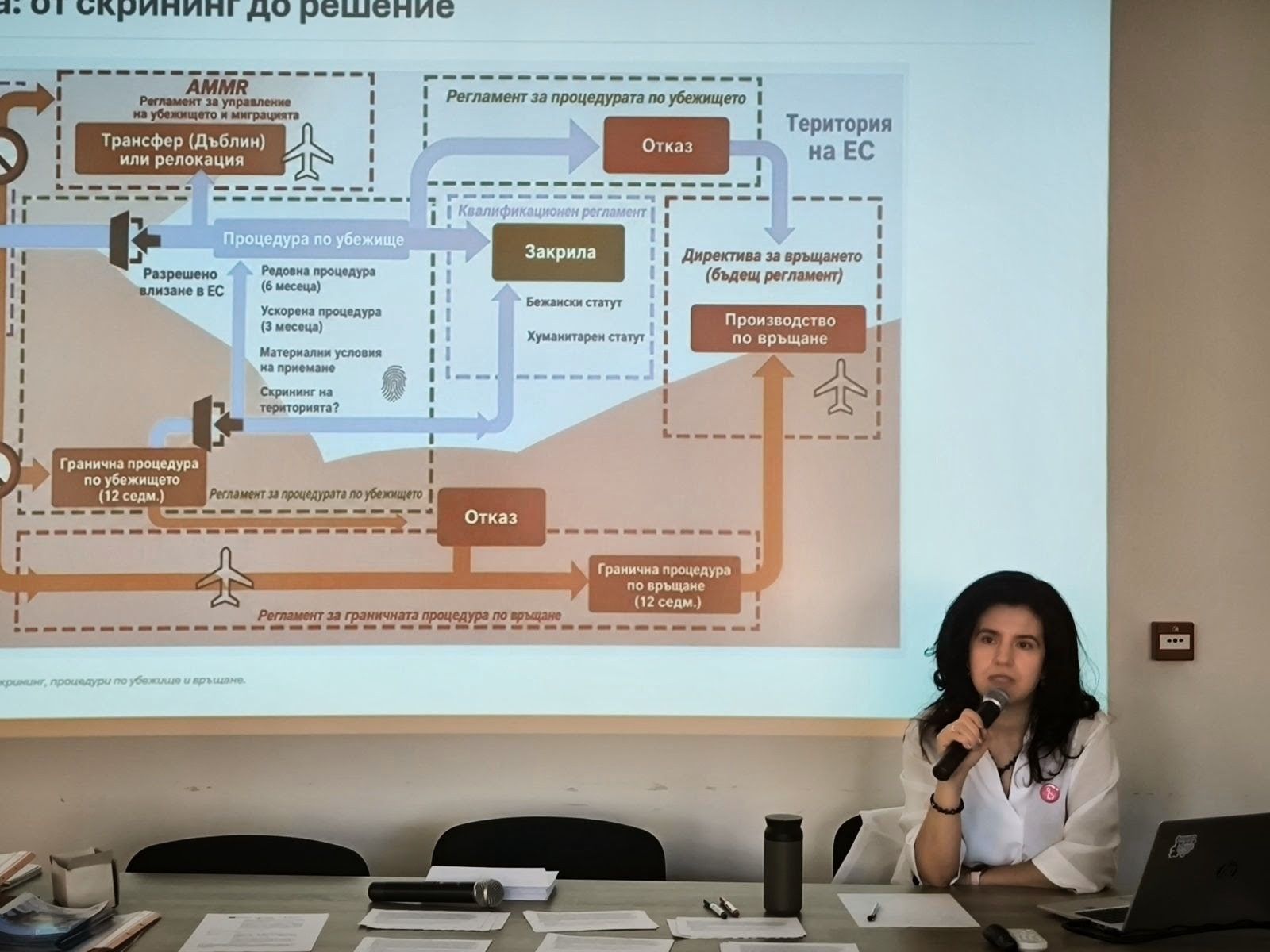
EU Pact on Asylum and Migration: We discussed the new gender-sensitive reception conditions and procedures established in the Pact.

The practical role-play game sparked great interest, during which participants took part in a simulation of a personal interview for identification of vulnerability and specific needs when considering applications for protection. We also presented FAR's Methodology for identifying and protecting victims of gender-based violence, published on the project's page.


Two-Day FAR Seminar in Plovdiv Brings Together Institutions and NGOs Around Trauma-Informed Approaches and Documenting Signs of Violence
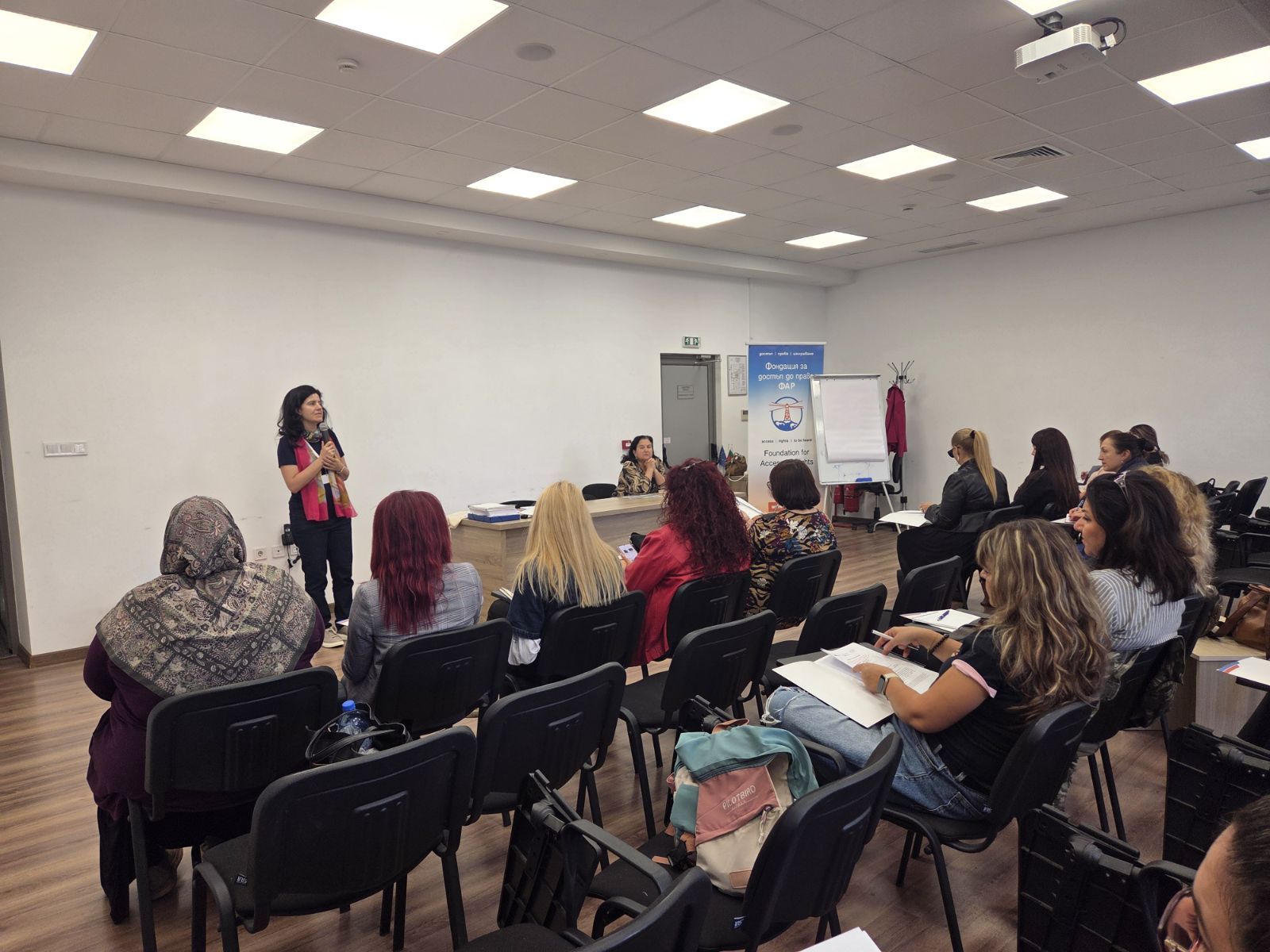
On 30 September and 1 October 2026, in Plovdiv, the Foundation for Access to Rights (FAR) organized and hosted a two-day training seminar entitled "Effective Documentation of Signs of Violence. Psychological Aspects of Trauma – The Invisible Traces of Abuse Experienced by Asylum Seekers."
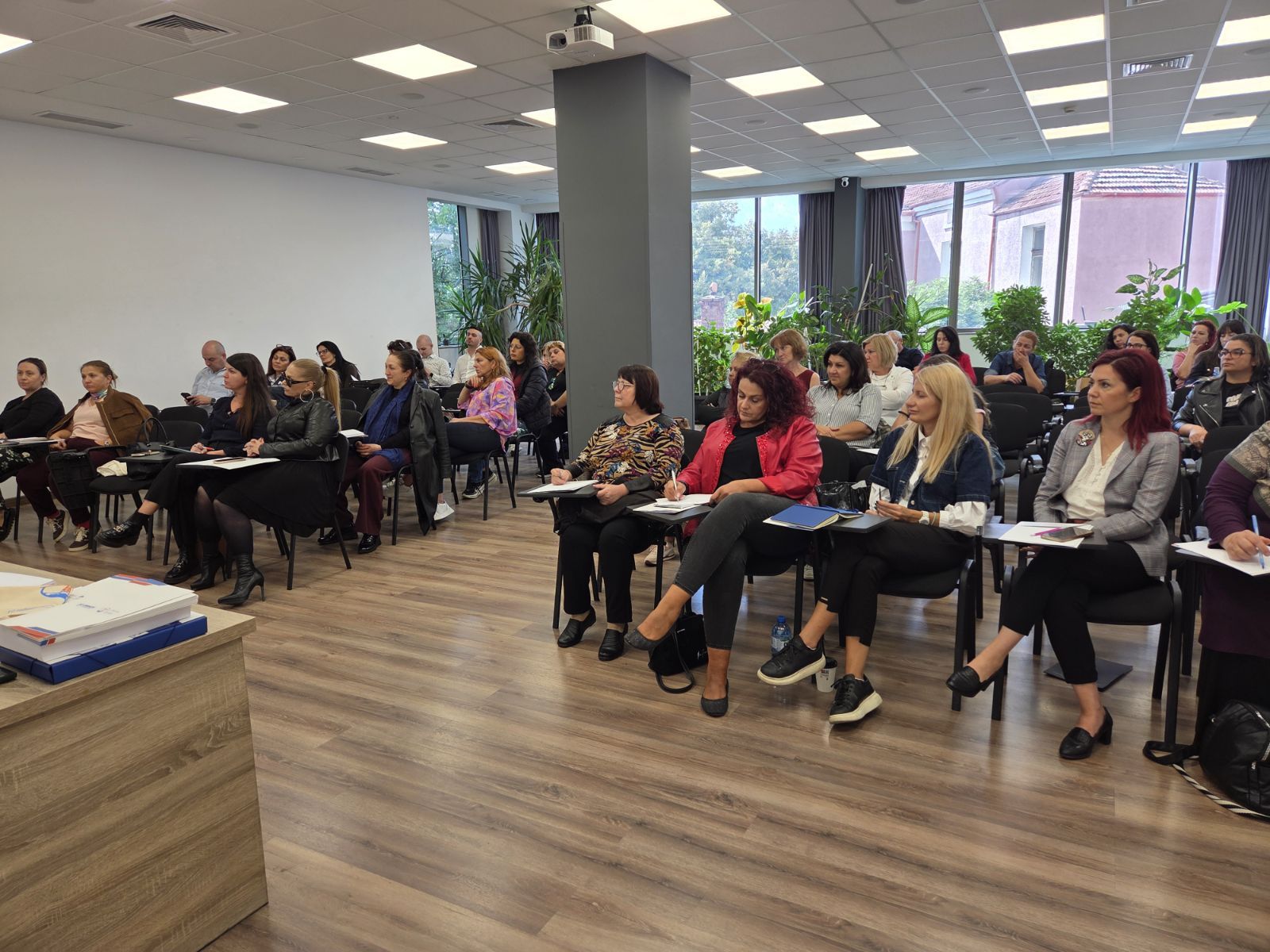
The seminar took place as part of the project "From 'Victim' to 'Victor': Support for Refugee Victims of Gender-Based Violence," implemented with the financial support of the Bulgarian Fund for Women and the European Union.
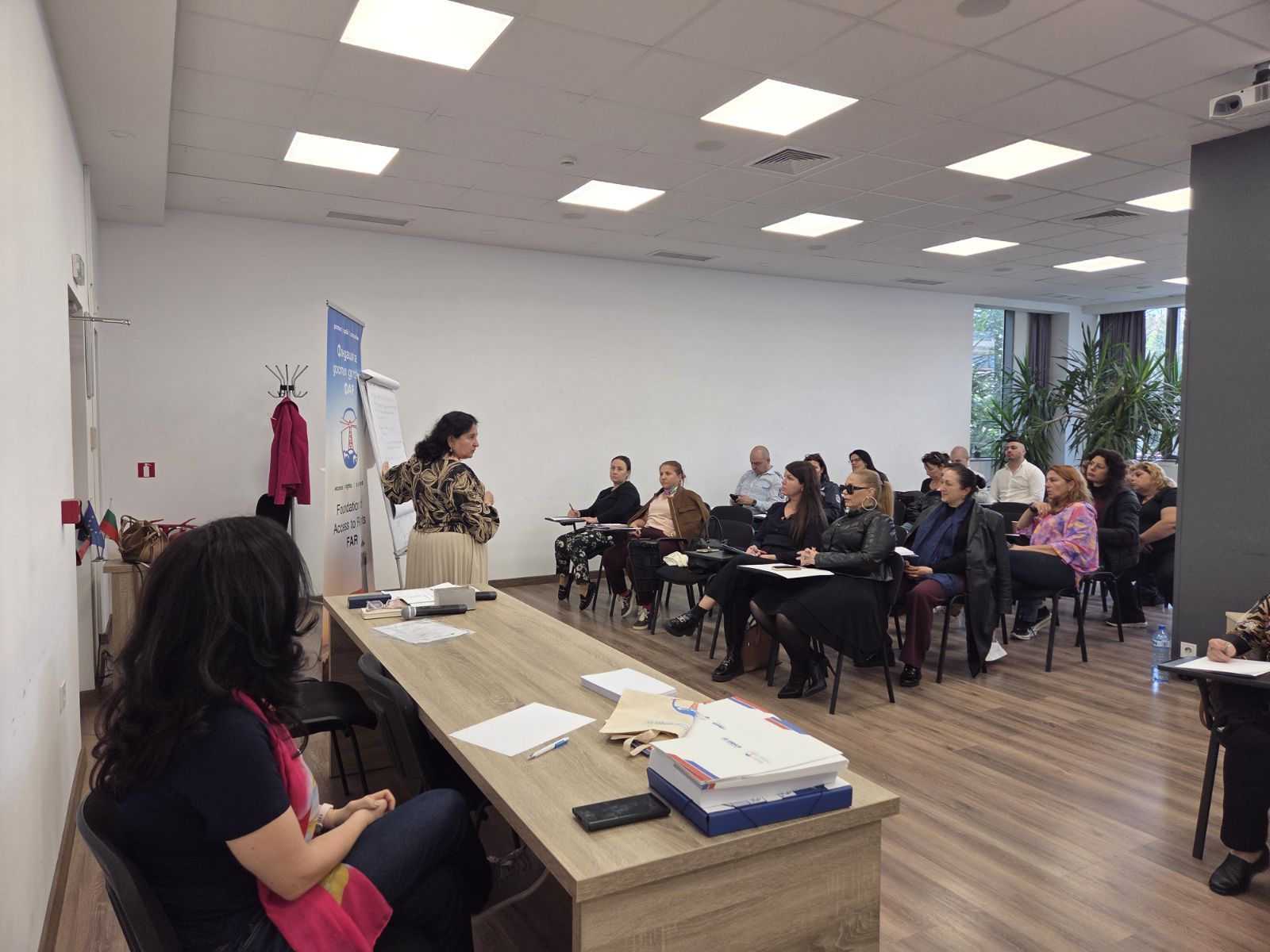
The event brought together 39 representatives of state institutions and non-governmental organizations working in the field and providing support to individuals at risk and applicants for international protection. Active participants in joint discussions and practical case studies included representatives from the Ministry of Interior (03 Regional Directorate and 05 Regional Directorate Plovdiv), the Social Assistance Directorates (SAD Plovdiv, SAD Hisarya, SAD Parvomay), the Child Protection Departments (CPD Plovdiv, CPD Rakovski), the Bulgarian Red Cross (Sofia, Haskovo), Mission Wings Foundation (Stara Zagora), Caritas Vitania – Plovdiv, USRF Foundation, "H & D Perspectives" Foundation (Dimitrovgrad), PULSE Foundation – Kardzhali branch, the Center for Support and Social Integration (CSSI) for Adults at Risk – Plovdiv Municipality, the Complex for Social Services for Children and Families (CSSCF) Plovdiv, CSSCF Stara Zagora, the Child Centre for Social Support (CCSS) Kazanlak under the "Future for Children" Association, CSSCF – Children's House, and others.
Key Topics and Lecturers
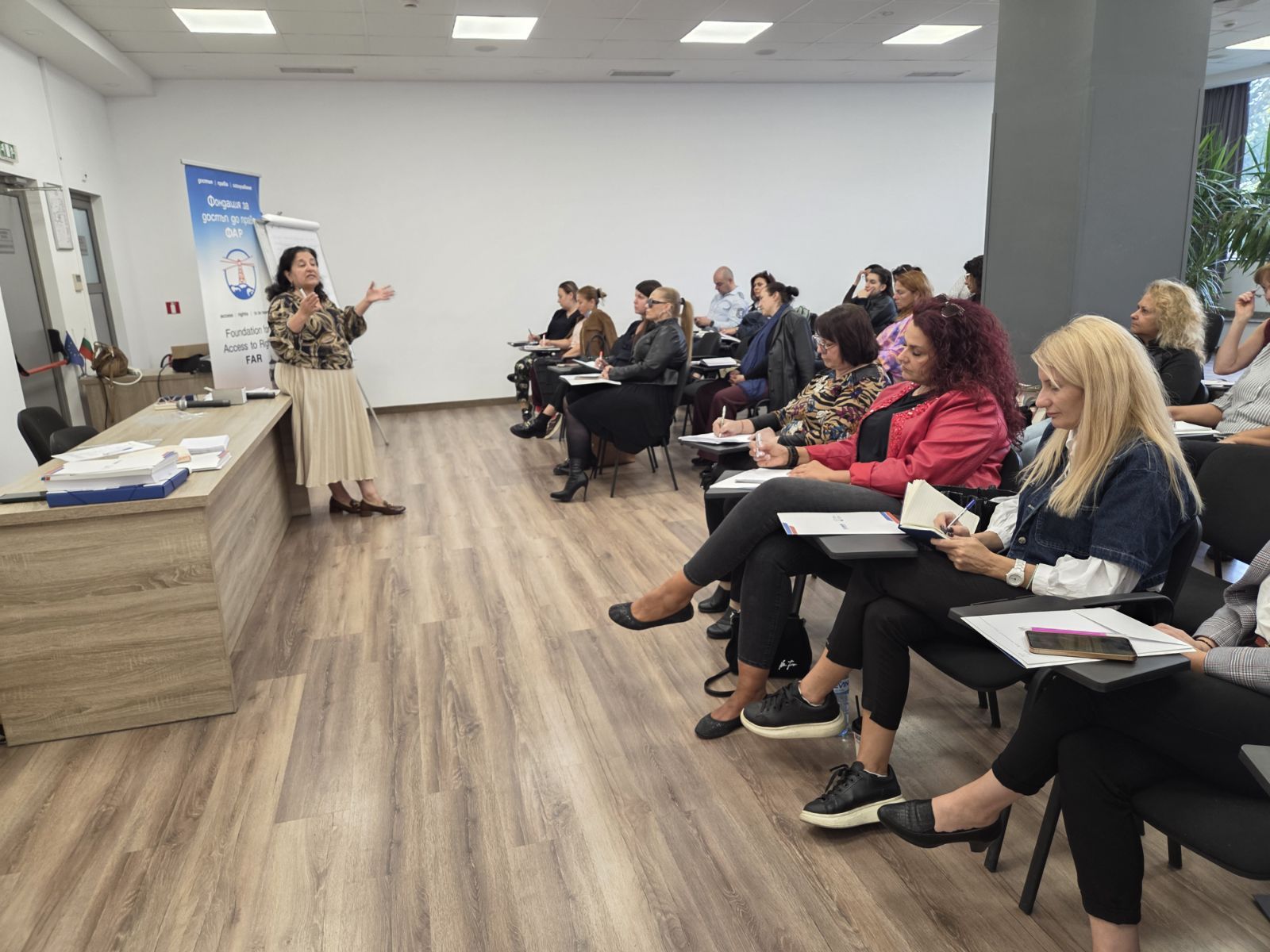
The training was structured into two thematic modules combining theoretical knowledge, legal standards, and practical group work:
Psychological Module: The lead speaker was Mimoza Dimitrova, Clinical Psychologist. On the first day of the seminar, she introduced participants to the invisible traces of abuse—how trauma affects the body, memory, and behavior—as well as the specific manifestations of Post-Traumatic Stress Disorder (PTSD), complex trauma, and dissociation. Special emphasis was placed on conducting trauma-informed interviews and recognizing signs that are not always visible in medical certificates. On the second day, the discussion focused on inter-institutional cooperation, prevention of secondary traumatization, and professional burnout among frontline professionals.
Legal Module: The lecturer on legal aspects was Dr. Valeria Ilareva, Attorney-at-Law. She presented evidentiary standards and the legal framework for the effective documentation of signs of violence, including the requirements of the Istanbul Protocol and the EU New Pact on Migration and Asylum. Key principles covered included the early identification of special needs, shared responsibility in fact-finding, and the application of the benefit-of-the-doubt principle.
During the practical sessions, participants collaborated on specific case studies and exchanged valuable professional insights from their daily field practice.

The project is realised with the financial support of the Bulgarian Fund for Women and the European Union. Views and opinions expressed are those of the author(s) only and do not necessarily reflect those of the Bulgarian Fund for Women, the European Union or the European Education and Culture Executive Agency. Neither BFW, nor the EU or EACEA can be held responsible for them.